Amplifier Technology: 6 Must-Have Amp Features for AV Integrators
As a working system integrator in today’s professional audio industry, there are several tools and technologies available to help make every installation easier. And since no installation is the same – for the most part – the best tools and amplifier technologies are the ones that provide flexible solutions.
Here at LEA, we have dedicated ourselves to creating flexible technologies and solutions to support system integrators. To begin with, we listened to the integrator community. In addition to that, we worked closely with twelve outside development partners. Next, we identified their pain points with current technologies in the industry. So then, with our world-class engineering team, we were able to envision and develop new technologies that we felt were crucial to the success of the modern-day system integrator.
Given these points, and based on feedback from the integrator community, here are the 6 amplifier technologies that every AV integrator should have in their amplifiers:
1. Channel Bridging
Amplifier Technology: 6 Must-Have Amp Features for AV Integrators
First, one of the most popular ways to make power amplifiers more flexible for installers is to bridge channels. In short, bridging amp channels allows installers to double their output power, enabling them to drive bigger speakers. Consequently, the downfall of traditional bridging is that you lose an output channel. So then, your once four-channel amp is now essentially a three-channel amp with the one really powerful channel.
In order to remedy the channel loss found in traditional bridging, we developed our proprietary Smart Power Bridge technology. In short, we’ve created a better way to bridge channels without sacrificing channel count. To accomplish this, the amplifier uses the voltage headroom available from the 100V direct capability and automatically adjusts the current capabilities of that channel. Then, it applies it in a controlled manner to the low Z mode. As a result, we can effectively double the power of any amplifier channel of the installer’s choice.
This is truly a must-have for any installer!
2. Flexible Connectivity
Amplifier Technology: 6 Must-Have Amp Features for AV Integrators
The word of the day is flexibility. In this case, when it comes to network connectivity, there are several roadblocks when setting up new systems. Therefore, the more connectivity options that are available, the smoother each and every job will go.
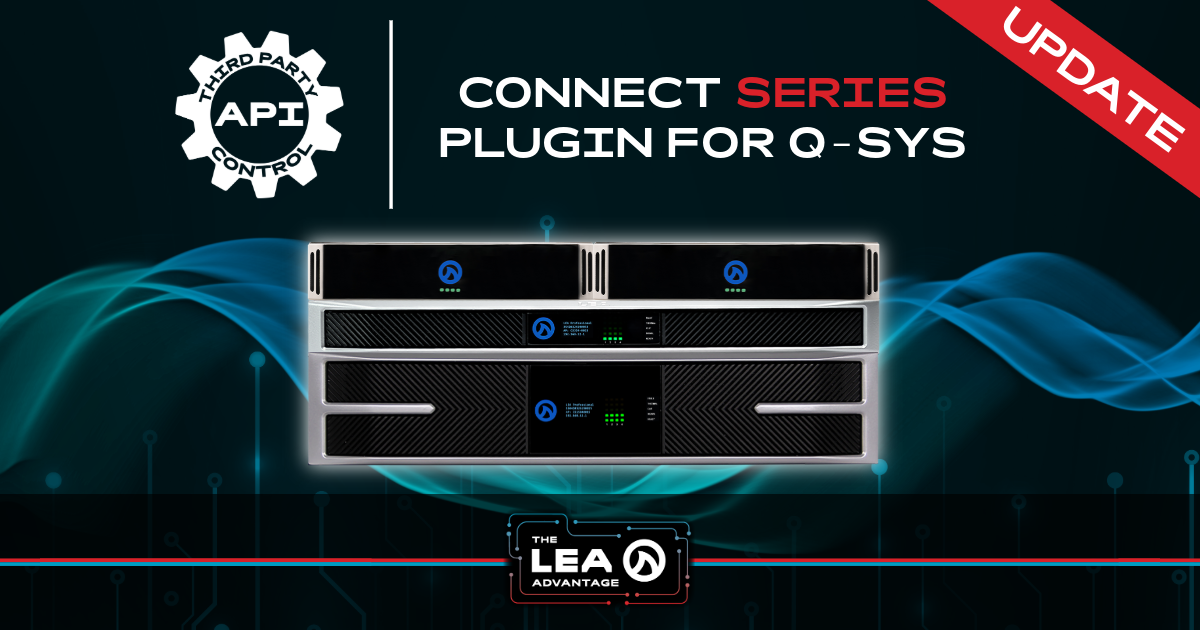
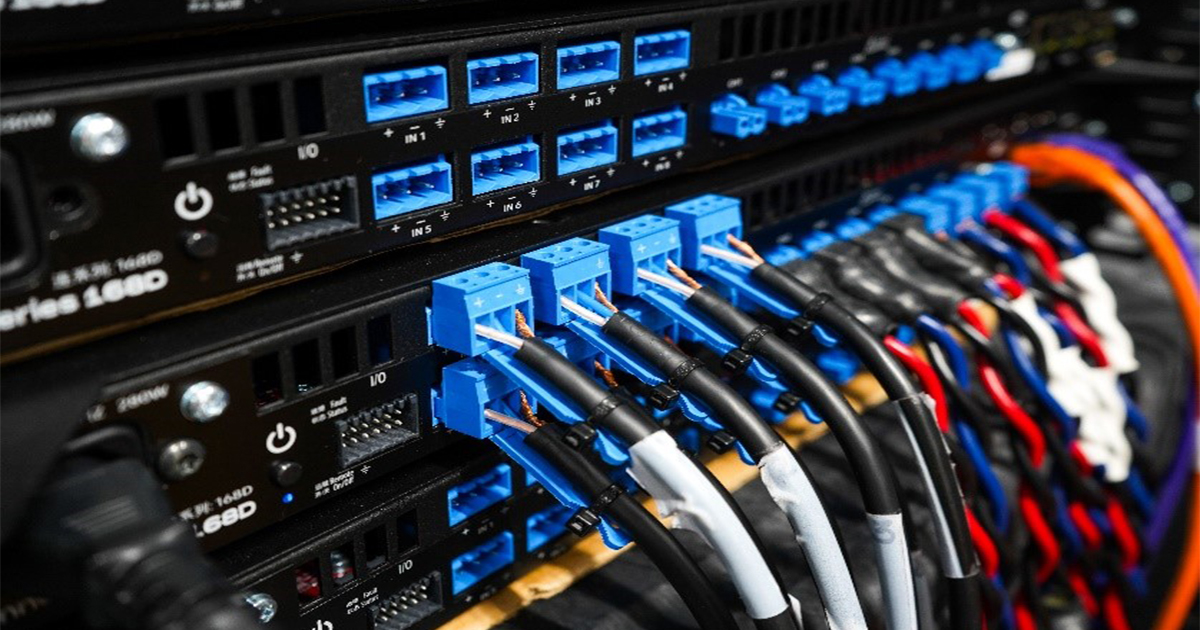
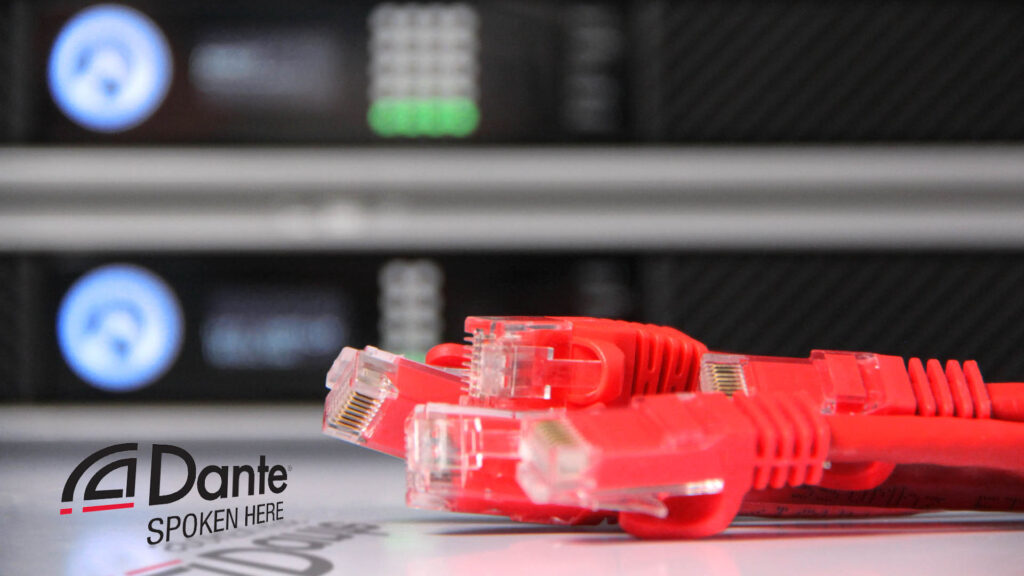
Of course, we knew this when we developed our CONNECTSERIES. As a result, we built in three ways to connect our amps to the network. Installers can choose whether they want to connect via the venue’s Wi-Fi, or use the built in WAP (Wi-Fi Access Point), or they can use Cat5 to Cat6 cable to connect. In addition to that, our Dante CONNECTSERIES has the option of tapping into Dante digital audio transports.
3. On-board DSP
Amplifier Technology: 6 Must-Have Amp Features for AV Integrators
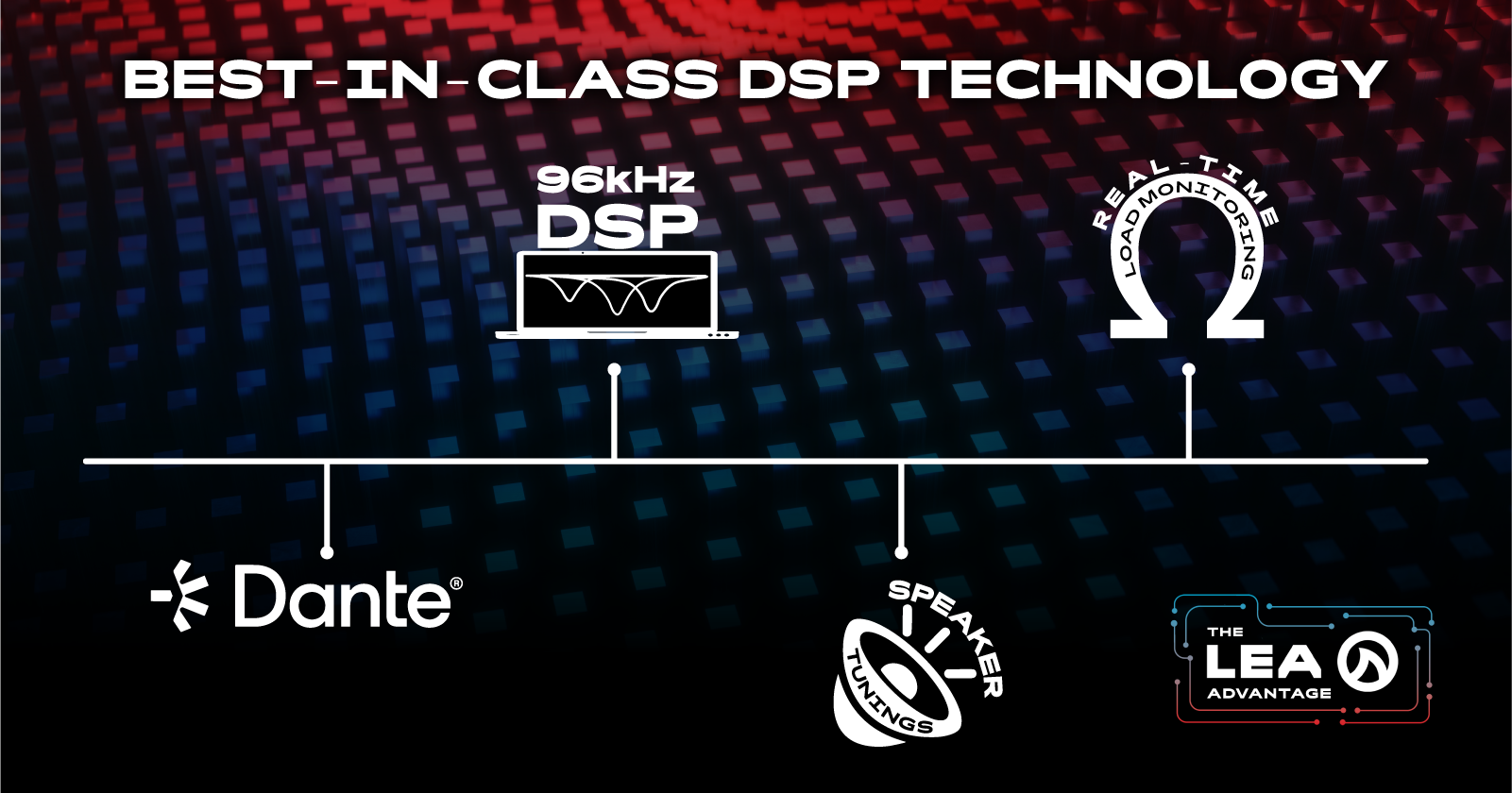
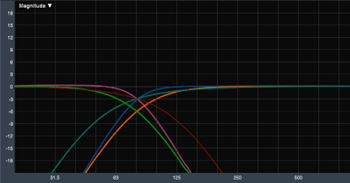
Of course, It’s great to have flexibility with connection and installation. A great amplifier should also be flexible when it comes to audio signals. Therefore, on-board DSP is another tool that installers have come to rely on. On-board DSP allows installers to fine-tune the audio signals according to each system installation’s unique design. For example, they can tweak the signal using built-in crossover, EQ, delay, and limiting among others. As a result, installers can be confident that they are providing the best-performing system for their clients without the need for a ton of external hardware devices.
4. Browser-based UI
Amplifier Technology: 6 Must-Have Amp Features for AV Integrators
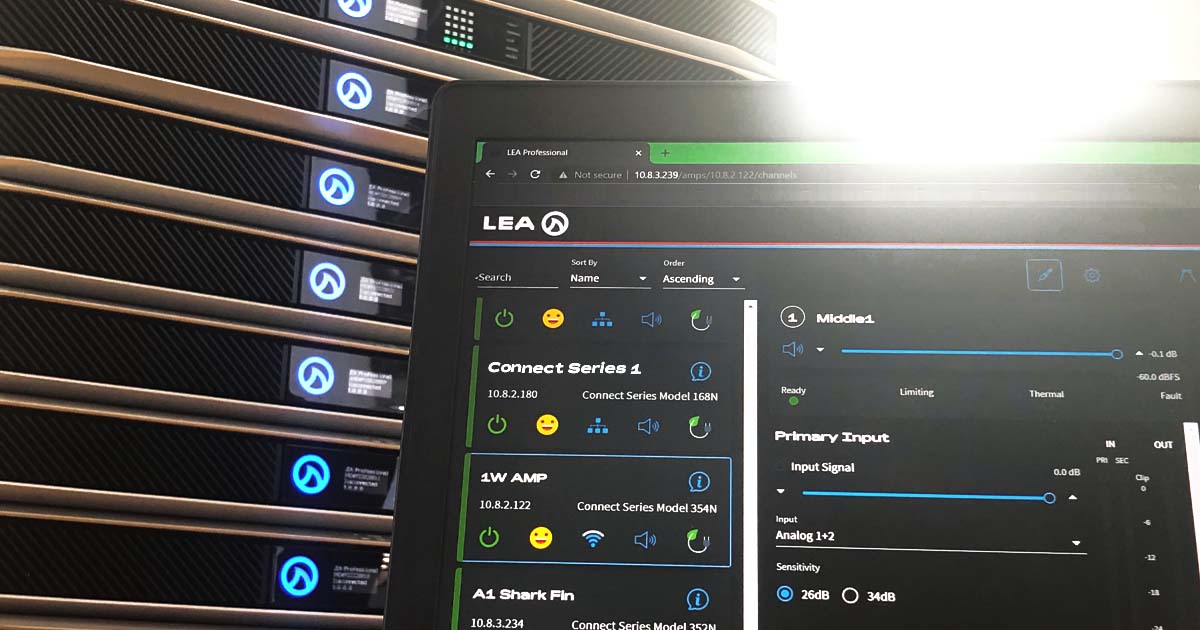
Amplifiers are just one part of a larger system. Therefore, combining each individual component might mean downloading, learning, and keeping track of multiple software applications. As a result, this can become pretty overwhelming for system integrators. For that reason, using a browser-based user interface is a no-brainer!
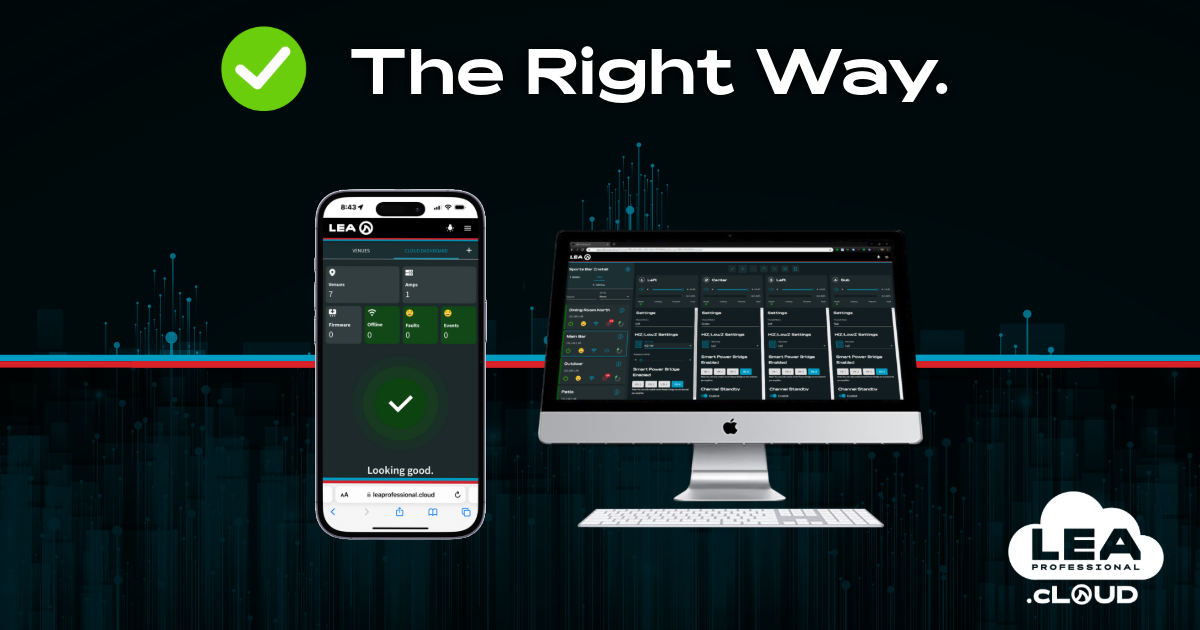
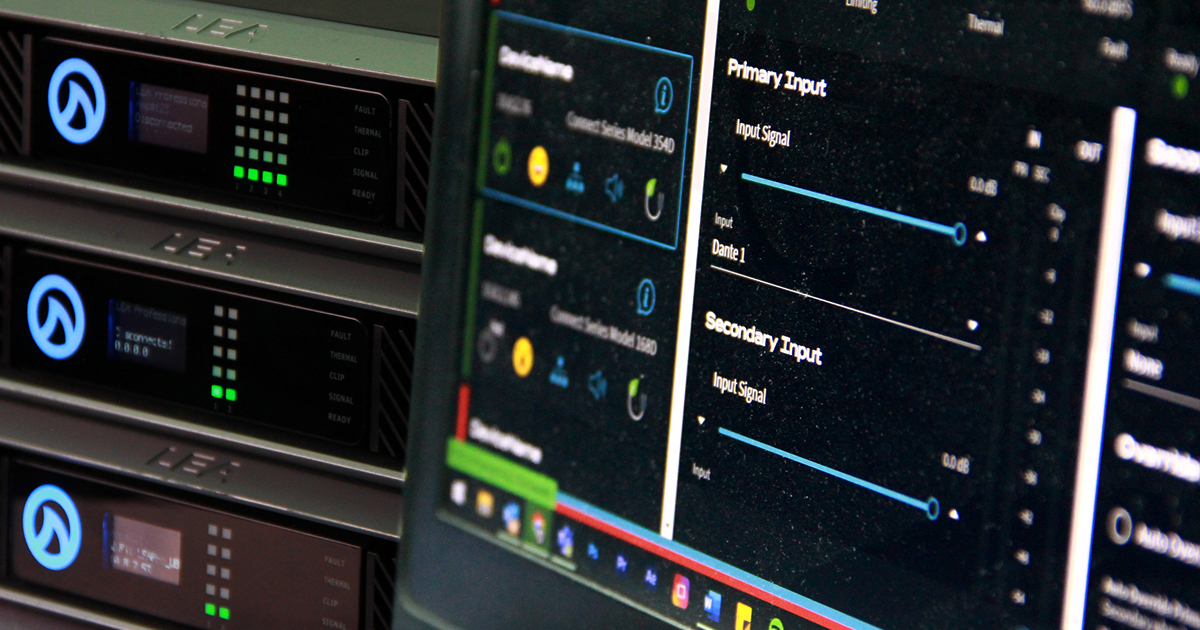
With a browser-based UI, installers can quickly, easily, and securely interface with their amplifiers. Furthermore, they can control and monitor them from their phone, tablet, or PC by simply using their web browser once connected to the amplifier.
Did we mention there is no software download!?
5. Efficient Design
Amplifier Technology: 6 Must-Have Amp Features for AV Integrators
Certainly, one feature that no installer should overlook is design efficiency. Of course, all of these tools, technologies and amplifier features are great to have. Then again, if it results in bulky, heavy gear, it may not be worth it. After all, from the back of a truck to the rack room, your amps should be easy to carry, move, and install. Incidentally, a 1U rack space unit saves space in the rack and maintains a clean and sleek look.
6. The Cloud
Amplifier Technology: 6 Must-Have Amp Features for AV Integrators
Cloud connectivity is perhaps the most flexible, time-saving, easy-to-use, and informative technology an installer could ask for. The potential benefits of using the Cloud to send, read and store amplifier data are undeniable. For example, integrators can easily track system performance, remotely control and adjust amplifier settings, receive a push notification for system errors and faults, and much more. All this combined will reduce system downtime and increase system up-time.
In conclusion, these six technologies and more have been built into our CONNECTSERIES amplifiers. As a result, we believe we have designed and created a true Swiss army knife solution that can handle any installation project.
If you have any questions about amplifier technology, how it works with our products, or how they can benefit pro audio systems, please leave a comment below or reach out to us on our social media channels.
Want more LEA content delivered directly to your inbox? Enter your email address below to be subscribed to our monthly newsletter and keep up with all of the latest news and content from LEA Professional.
This website uses cookies to improve your experience. We'll assume you're ok with this, but you can opt-out if you wish.AcceptRejectRead More
Privacy & Cookies Policy
Privacy Overview
This website uses cookies to improve your experience while you navigate through the website. Out of these, the cookies that are categorized as necessary are stored on your browser as they are essential for the working of basic functionalities of the website. We also use third-party cookies that help us analyze and understand how you use this website. These cookies will be stored in your browser only with your consent. You also have the option to opt-out of these cookies. But opting out of some of these cookies may affect your browsing experience.
Necessary cookies are absolutely essential for the website to function properly. This category only includes cookies that ensures basic functionalities and security features of the website. These cookies do not store any personal information.
Any cookies that may not be particularly necessary for the website to function and is used specifically to collect user personal data via analytics, ads, other embedded contents are termed as non-necessary cookies. It is mandatory to procure user consent prior to running these cookies on your website.