What’s your current position at LEA?
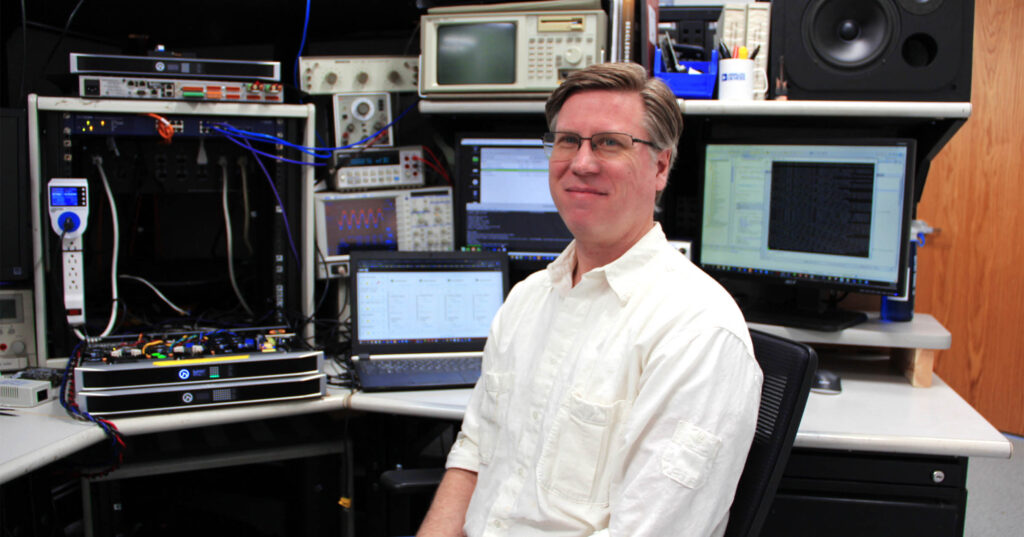
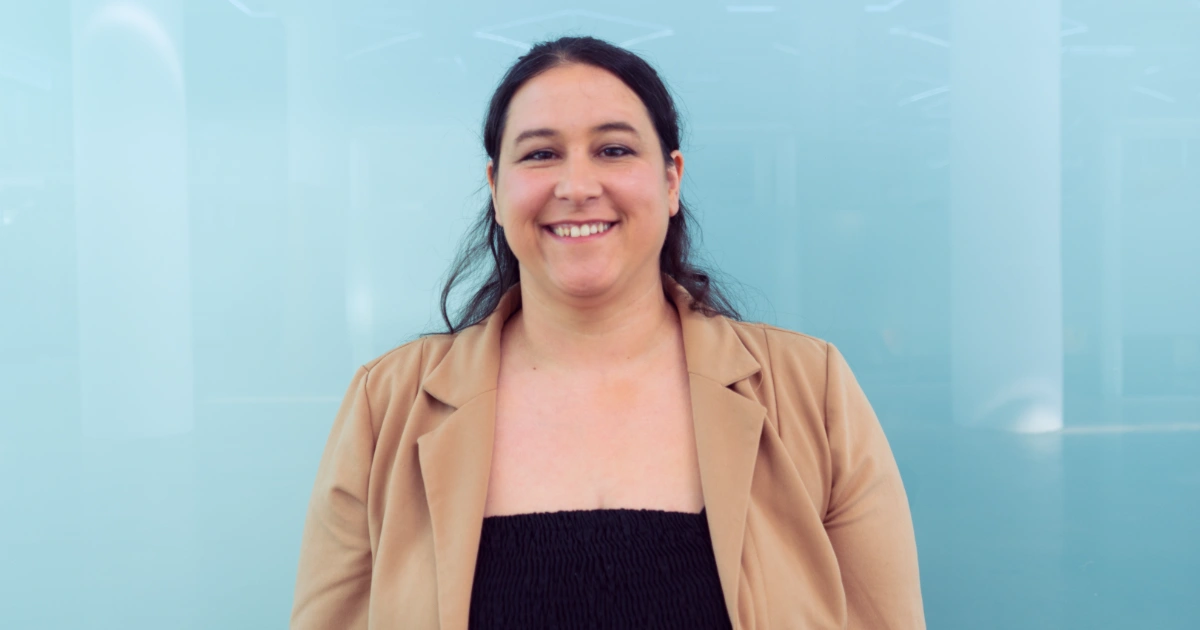
I am the Senior Principal Embedded Engineer, which translates to “the firmware guy”. This includes responsibility for all the embedded microcontroller firmware development as well as DSP and higher-level software application code. Creating new bundles of firmware to test and release also falls to me. I have been interested in Cloud computing for a long time and am looking forward to getting more involved in future cloud development.
What drew you into your specific field of work?
I always loved music and electronics and when I was getting my BSEE degree in the 90’s I realized that there was a paradigm shift going on where much of what had been done in analog electronic circuits could now be accomplished with digital hardware and software. My particular interest in recording and guitar-based effects was quickly moving to DSP based packages that had the potential of becoming a real game-changer. It seemed to me that what the industry really needed were people who understood how the commonly accepted analog hardware worked and could translate that to this new era of digital-based hardware that could be controlled by software. Where the software provides near limitless flexibility. This seemed like a good career path and something that I could contribute to. I think there will always be a need for people who can walk the line between hardware, firmware, and software.
Why is your job important to LEA?
We often joke that if there is no firmware in the amplifier, the only thing it’s good for is a boat anchor. Also, for people who don’t know the difference, the firmware is code that has direct knowledge of the hardware (i.e. it will work for one specific processor, but not another). While the software has no awareness of the hardware it is running on.
What is your background in the industry?
Early on I worked on farms and shops where I learned how to build things with metal, wood, bailing wire…whatever was available. That’s a great background for any engineer who seeks to design and build things. I have been playing guitar since I was a teenager and have designed and built countless audio related things, from speaker cabinets, pre-amps, mixers, many guitar effects, and even guitars. In college, I completed a BSEE where I got a good grasp of analog and digital circuit design, programming, DSP and algorithm development.
I started working at Crown straight out of college and as part of my “on-boarding”, I worked a day or so in every single department. Back then Crown built everything from scratch, so I just loved it. It was a great culture; people were very supportive and always happy to explain what they did and often open to listening to ways we improve upon it. It was a great place to learn the ropes of how to design and manufacture pro audio equipment. Additionally, back then Crown also made microphones and the TEF equipment. I learned so much about the entire audio path including mic techniques, system tuning, and acoustics from working with those people and using that equipment.
I worked as a manufacturing engineer and technical writer/tech support the first couple of years then started taking graduate DSP courses from Purdue. Before I could finish, I got the call to move up to design engineering where I always wanted to be. That is where I stayed for about 20 years working in the IQ digital group. I was involved in some way with just about every non-analog amp we did including the software testing. I was again surrounded by a fabulous group of brilliant people and mentors who helped me learn all the ins and outs of amplifier protection algorithms, DSP, networking, speaker tunings, limiters, microcontroller development, hardware-firmware-software integration, testing and finally project management.
For in the field training, I worked with the Crown sound team for a few years working a couple of stages at the Elkhart Jazz festival. That’s when I learned the importance of amplifier weight as we dragged amp racks of MA-5000VZ’s thru mud and wood chips! This was a lot of fun and great experience in live sound. I have since then been to numerous installations around the world and gained a good understanding of the larger system that the amplifier is a part of and the unique requirements.
In addition to that, I have played guitar over the years in a few bands and did some recording both as a musician and engineer.
How has your background prepared you to help LEA be successful?
The background I just mentioned gave me what I need to have a deep understanding of the features and functionality that is required of a world-class professional amplifier. And better yet the experience to know exactly how to do it using the latest and greatest hardware, tools and techniques so we can deliver an innovative product at a competitive price. But most importantly I have learned that I’m just part of the team. To be successful everybody plays a critical part. Check your ego at the door and be open to giving and receiving feedback.
What do you like about audio technology?
I view audio as something that makes a real contribution to society. Imagine a great performance, speech or event where you can’t hear or understand what is being said! It’s just not as powerful. What would Woodstock have been if there were no PA? What would Dr. Martin Luther King’s I have a dream speech have been without a PA? How much safer can we make an event venue like a school, airport or church by providing highly intelligible audio for normal use and emergency and evacuation paging? How important is it for an artist to be able to communicate and inspire audiences? I think it’s extremely important and I show up every day trying to make all these things work to the best of my ability. It’s a never-ending challenge in a constantly evolving field that I really enjoy.
What is the most exciting thing about joining LEA?
As someone who loves to build things and has 20+ years’ experience developing firmware for audio amplifiers; having the opportunity to start a new amplifier company from scratch with an amazing group of people is a once in a lifetime opportunity.
What are your personal hobbies?
I enjoy spending time with my family, biking, kayaking, running, camping, traveling, playing guitar, recording projects and woodworking. I always seem to be busy with home remodeling projects, so I haven’t had much downtime.
What’s your vision for the future of LEA?
I think the Cloud is very exciting and a real game-changer going forward. I hope we can leverage this to make some real advances in system monitoring, energy efficiency, and performance. I am also excited to integrate our products with others to build bigger and better systems that are easier to set up and operate.
In one sentence, sum up what makes audio or audio tech so important.
You can’t always yell loud enough for everyone to hear, amps are important.