

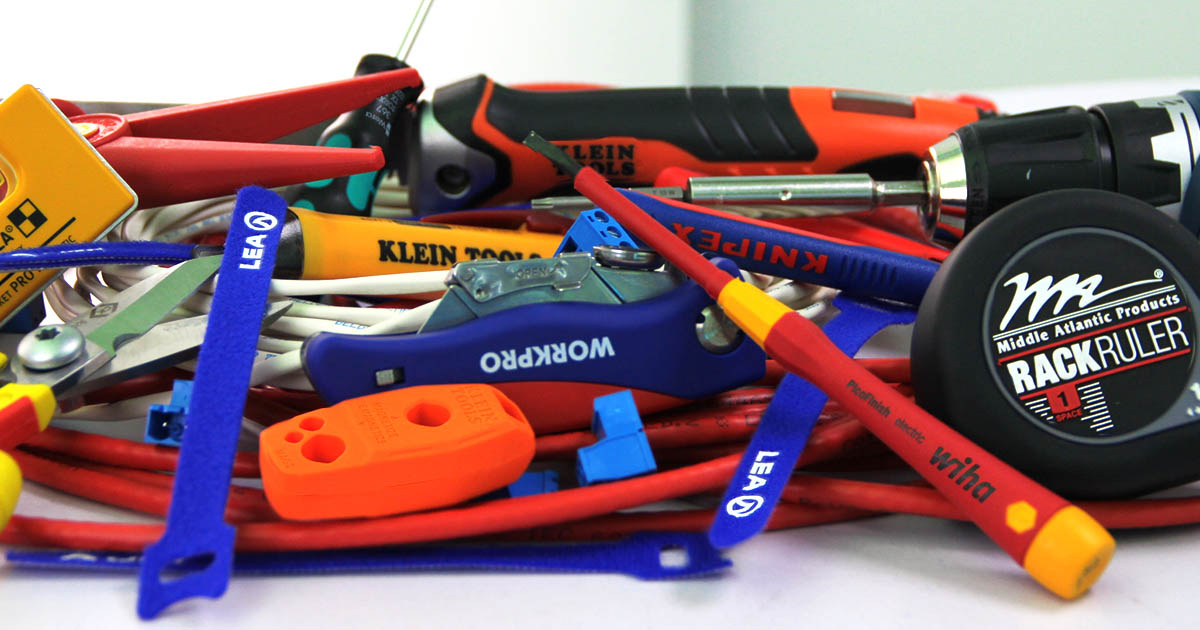
For the installer, tools are trusted companions. They’ve been there through the thick tangles of network cables to the precisely organized and meticulously arranged cable runs. Without them, the installer’s job would be impossible. Goodbye restaurant ambiance, goodbye sporting event commentary, goodbye airport flight announcements. Thankfully, there is a vast assortment of tools available for installers. If there’s an AV problem that needs to be corrected, you’ll likely find 20 different tools for the job. That’s why we took the liberty of curating a list with some of the most critical tools in any installer’s toolbox.
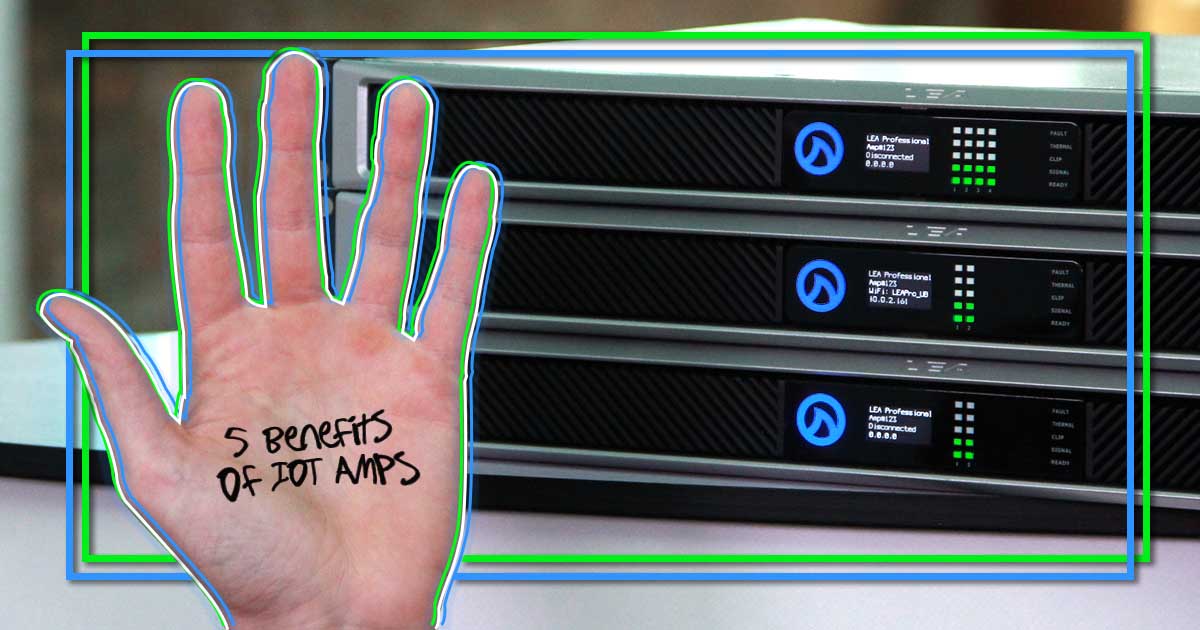
IoT Amps are the next step forward in pro audio systems. After all, pro audio systems are built on interconnected devices, working together to provide sound support. And IoT provides a next-level platform for interconnected devices. It seems so obvious!
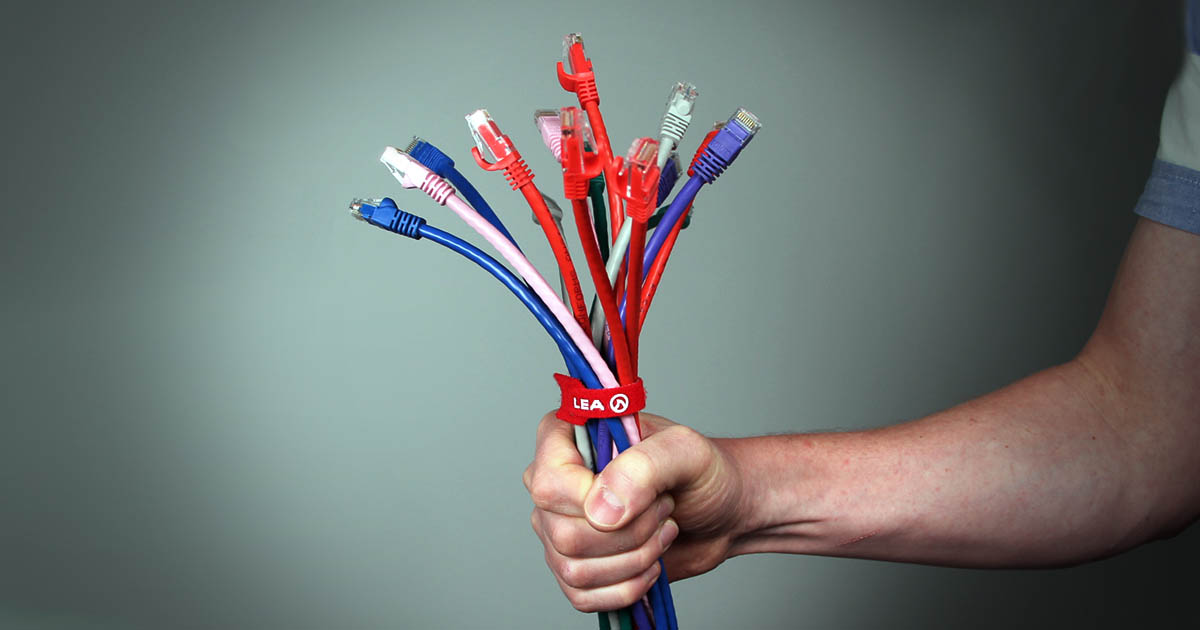
How does a system install lead to such chaos and confusion? Probably poor planning, poor execution, lack of care – whatever it is, someone, somewhere is going to bear the consequences of these cable management travesties. The moment you step into that rack room to troubleshoot what should be a minor issue, you’ll get that stomach sinking feeling. Where do you even begin!? That’s why we put these tips together. Hopefully, these simple tools and techniques will save some of you from spending a weekend detangling cables.
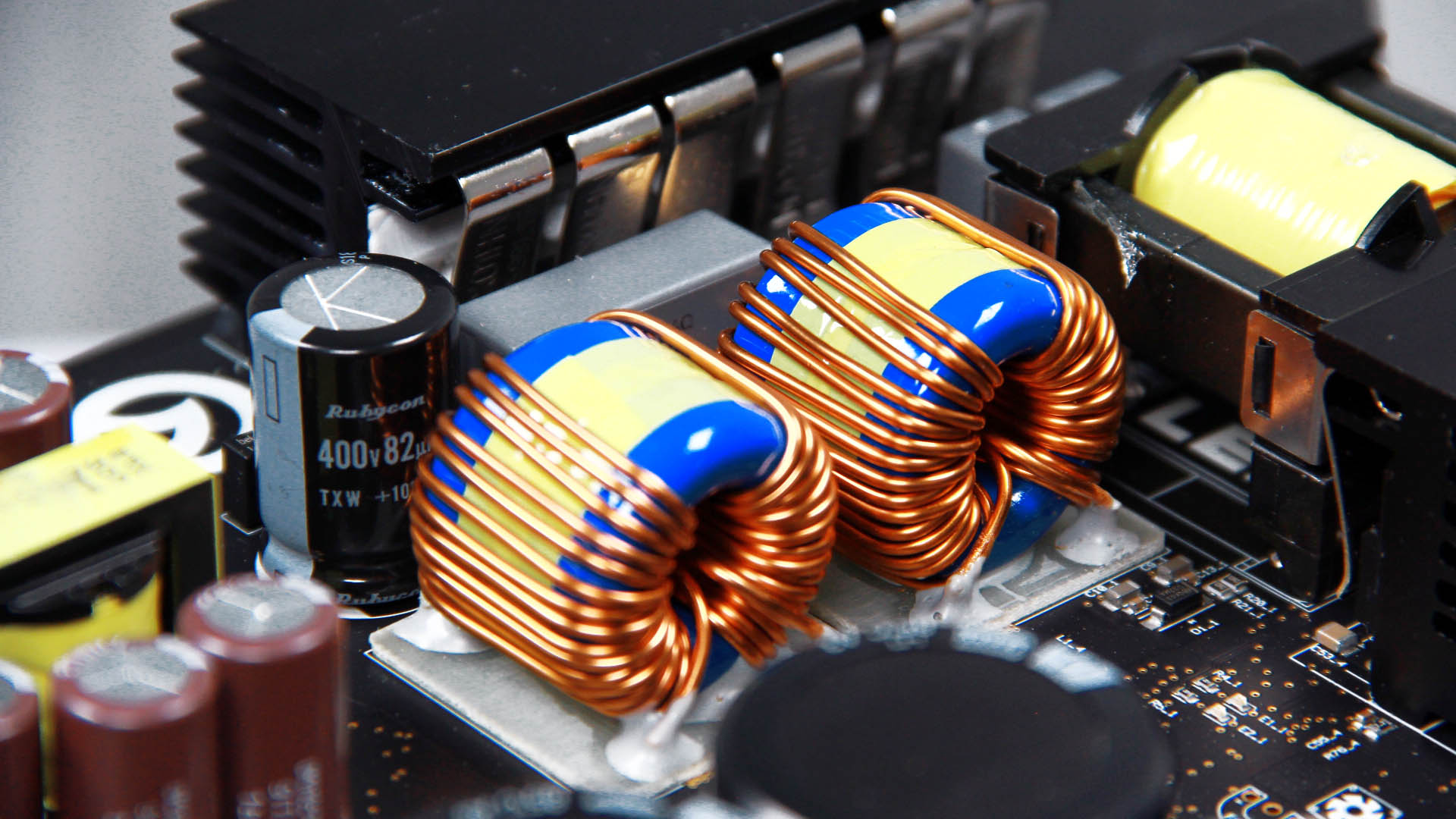
The purpose of PFC is to achieve a “Unity” power factor, a power factor of 1, meaning all of the power going into a system, or the power supply in our case, is real power. There are two forms of PFC, Passive PFC and Active PFC.
Use the LEA Limiter Calculator to instantly calculate safe limiter settings if your speaker manufacturer does not already tell you which settings to use.
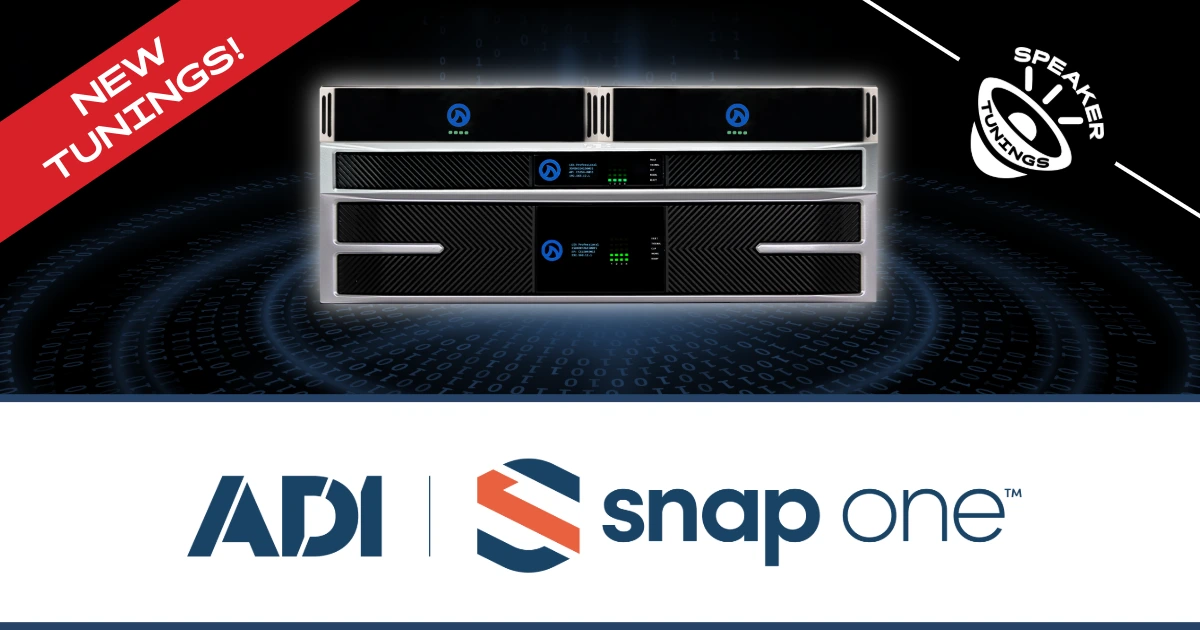
Download the Speaker Tuning files for settings for all channel-specific parameters. This includes settings for the input section, general channel parameters, signal generator, crossover, delay, EQ, limiters, and load monitoring.
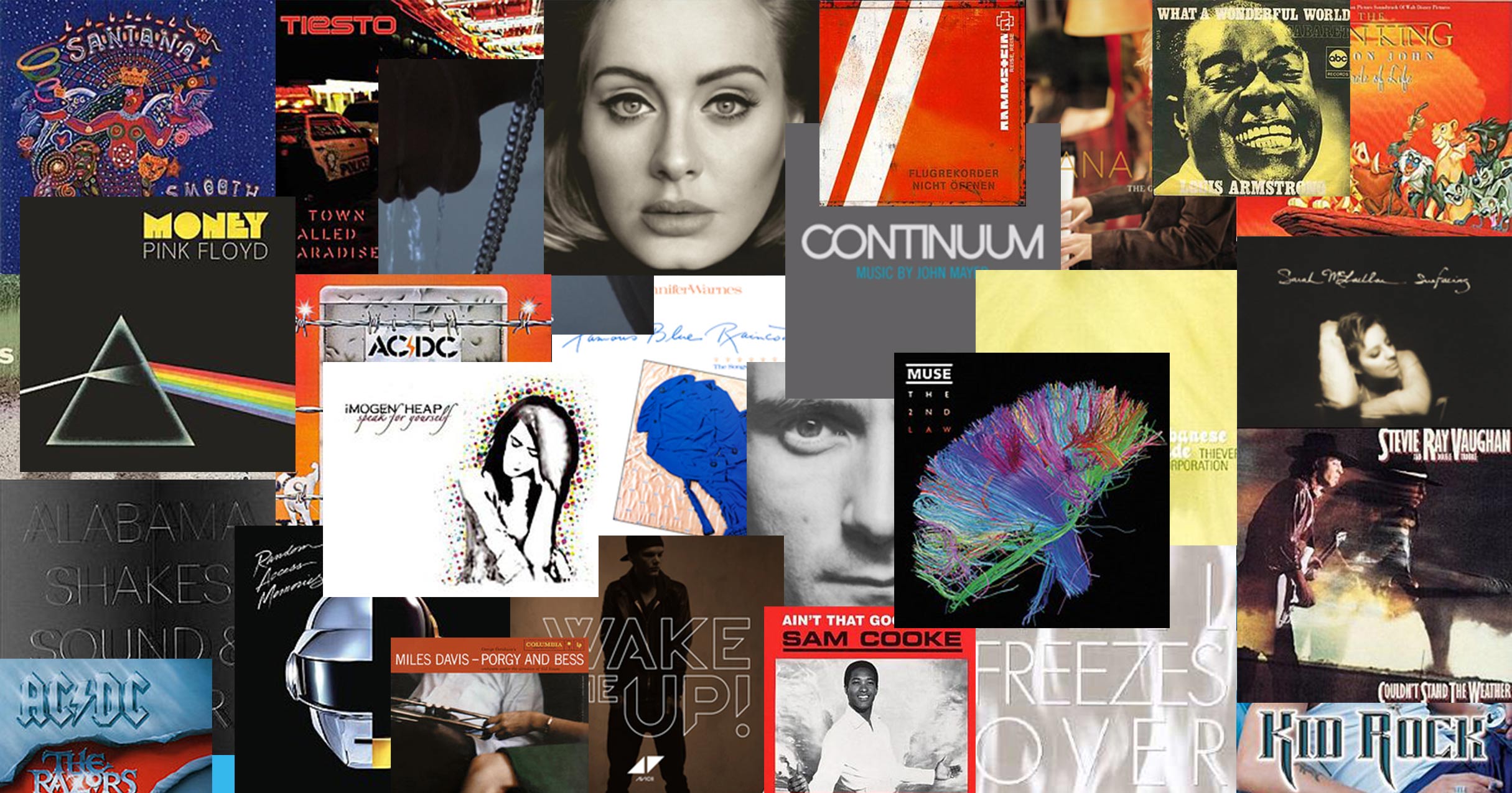
When testing an audio system, there are specific qualities within some songs that can help you pinpoint where your system might be underperforming. When it’s time to hit play and listen intently, these are the things you want to pay attention to:
Dante is everywhere in the Pro AV industry. It is used as an audio transport to network hardware and systems together for high quality audio routing and monitoring. Since being developed in 2006, it has become an industry standard for networking systems in professional and commercial applications. So why would you want it in an amplifier?
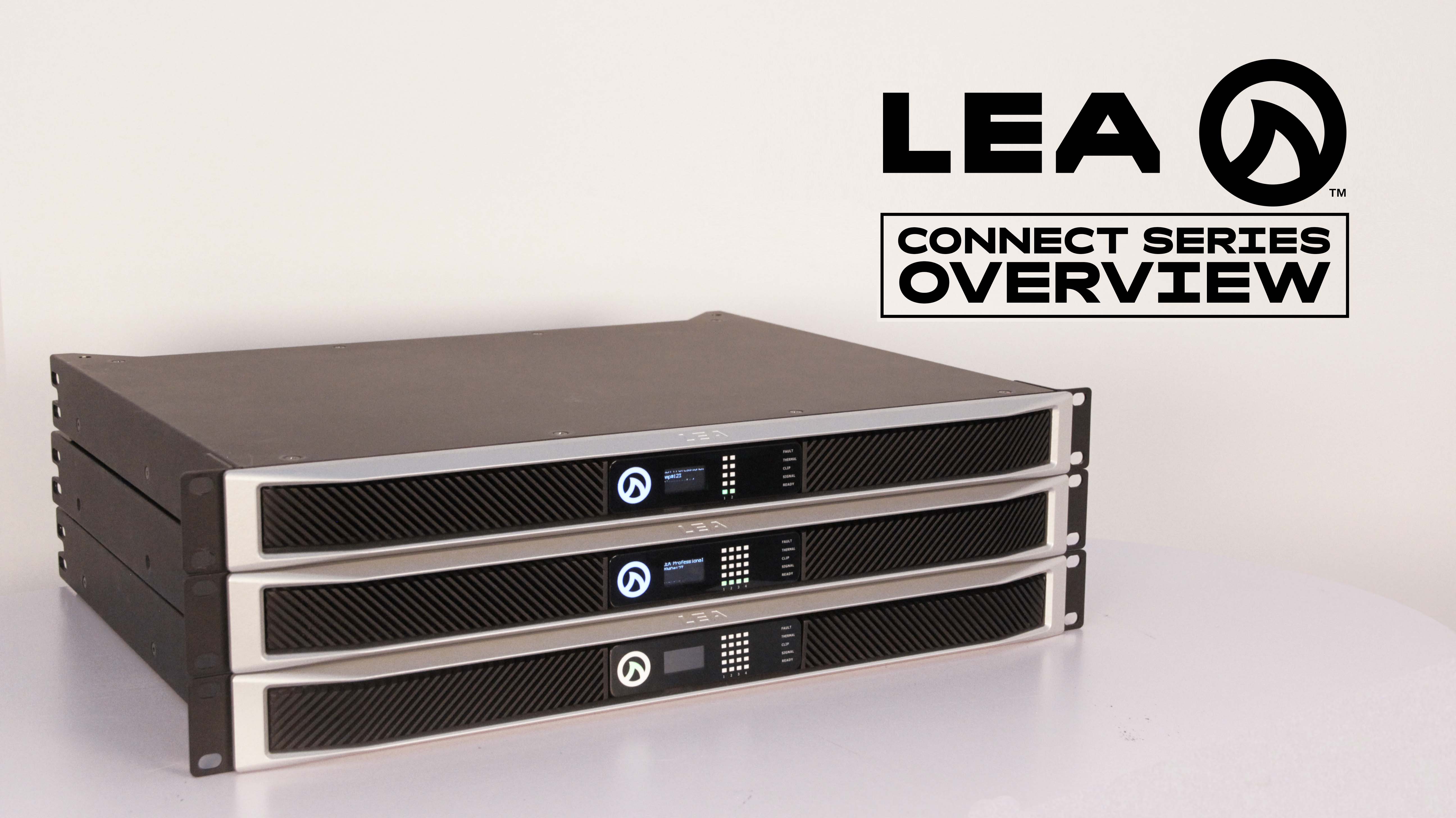
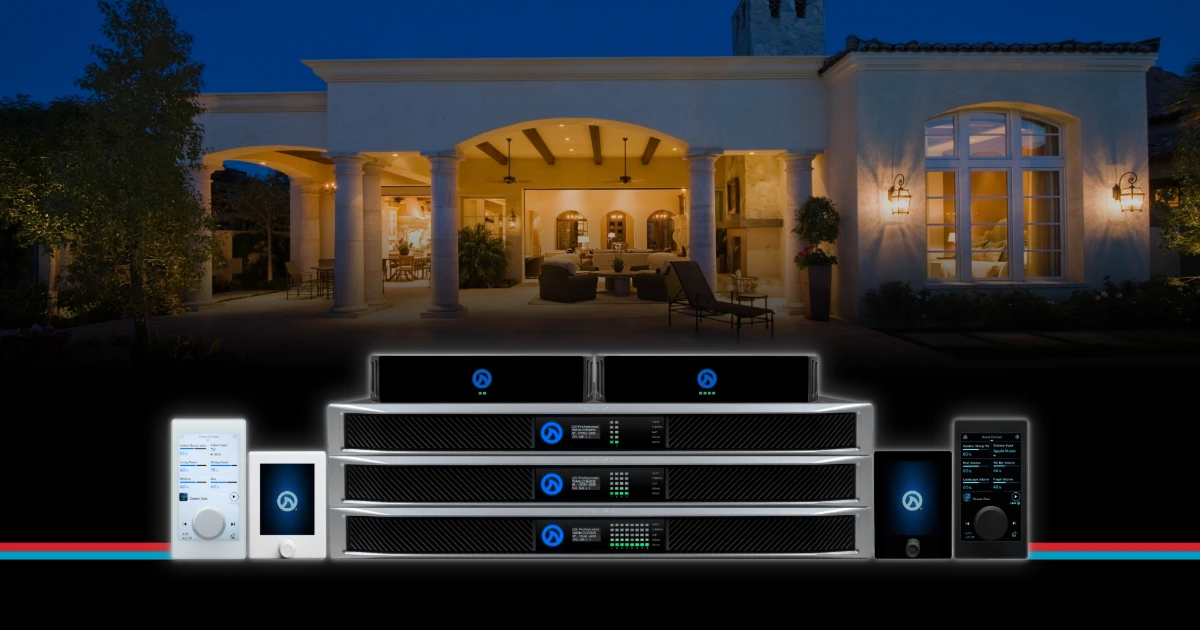
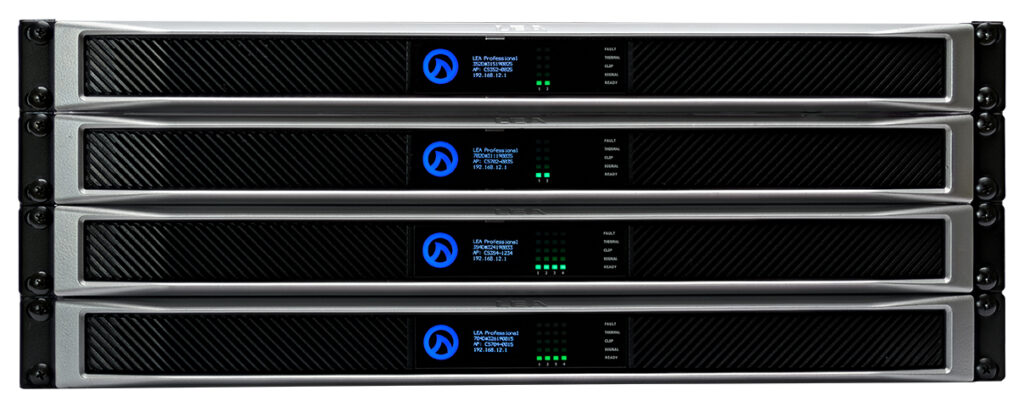
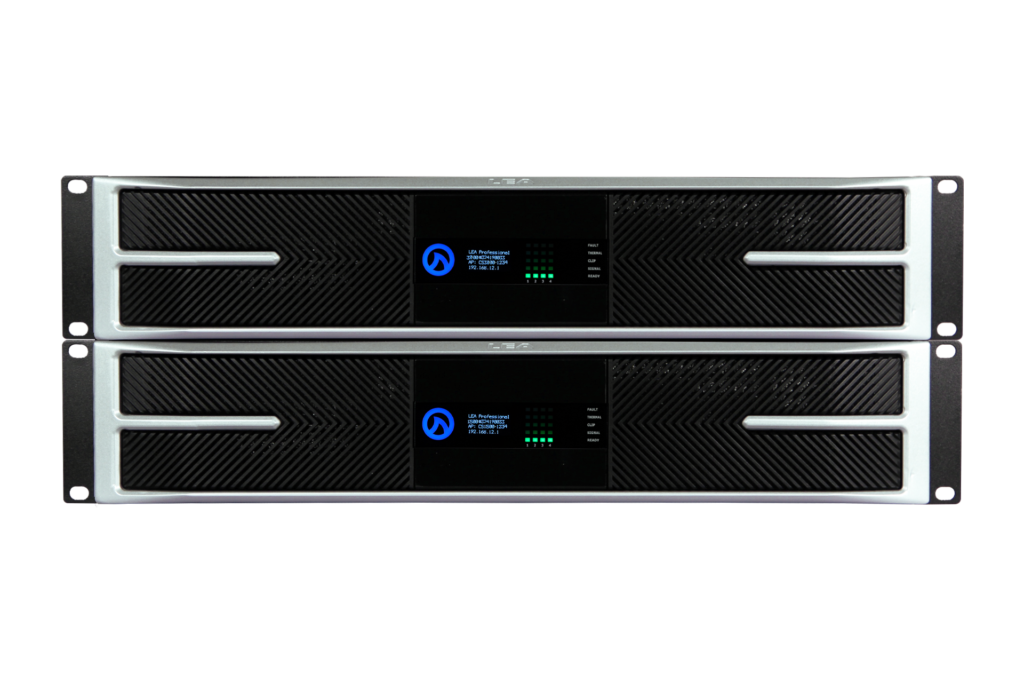
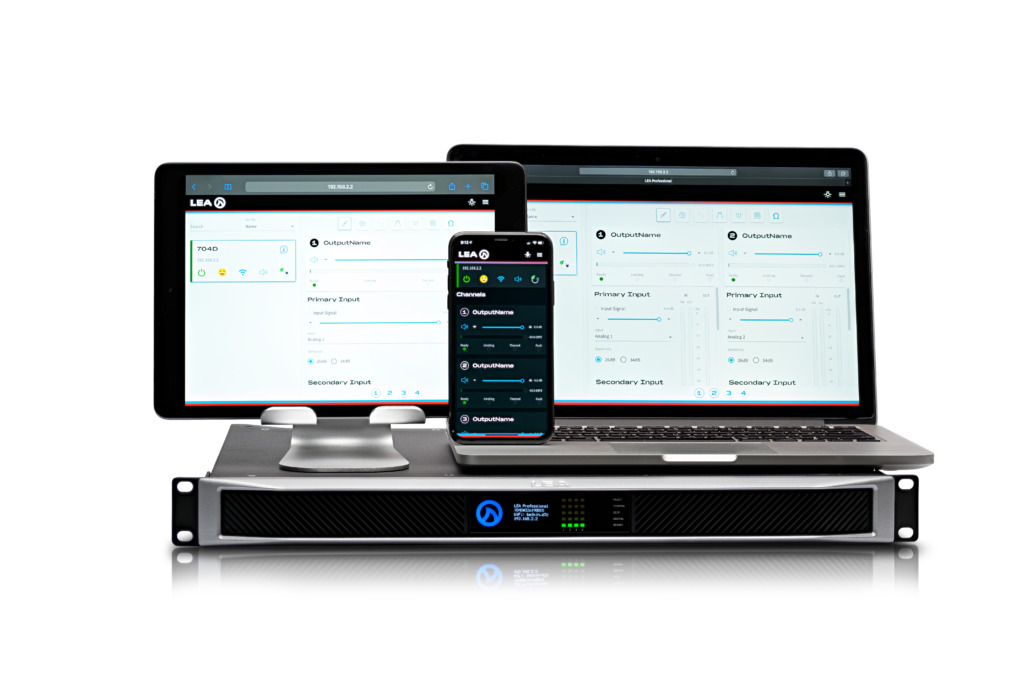
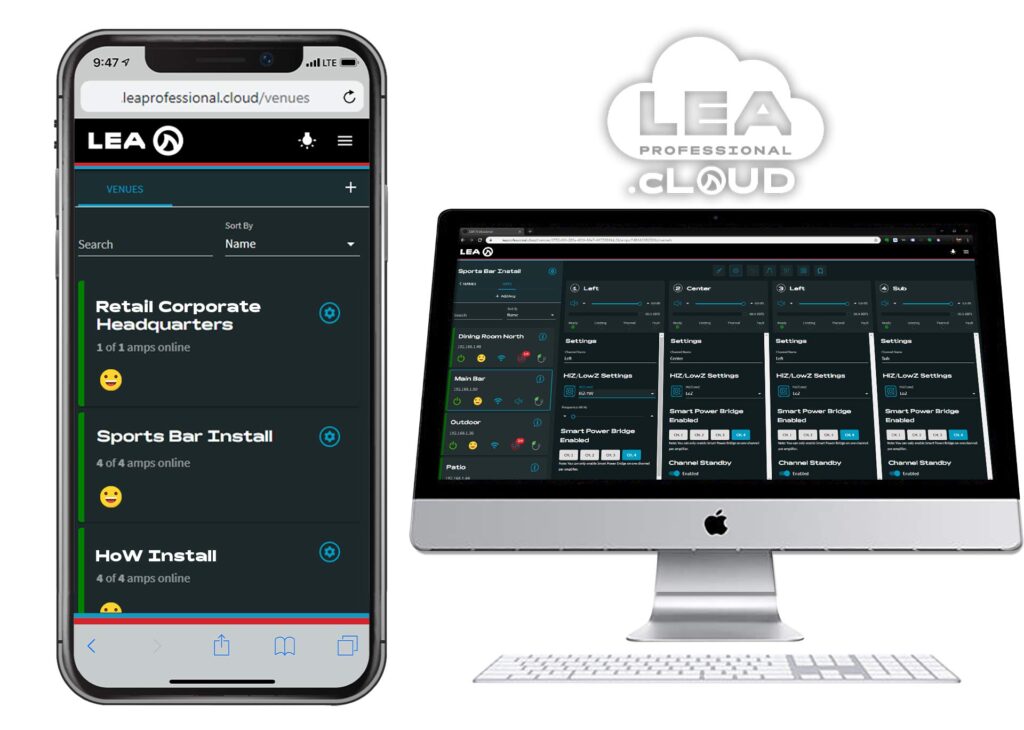
Introducing the world’s first Internet of Things (IOT) enabled, professional-grade amplifier family – the Dante Connect Series. Perfectly suited for small to medium scale installations
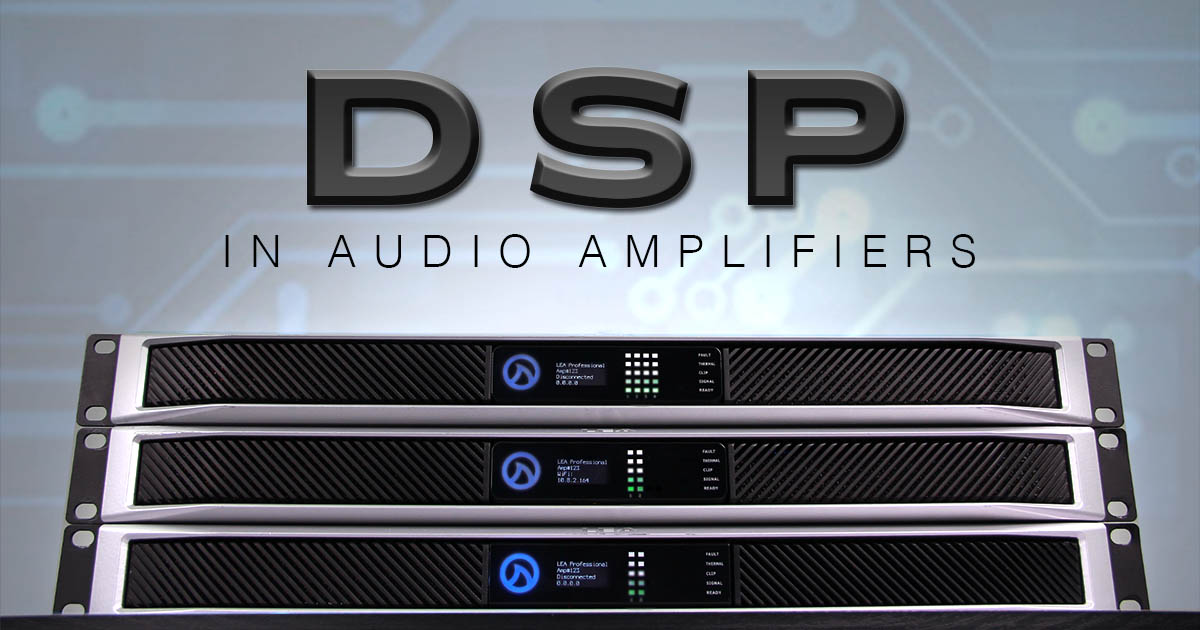
DSP stands for “digital signal processing”. It is the process of directing an audio signal through computer-based processing algorithms in order to alter the characteristics of the signal’s timing, spacial traits, frequency, or phase.
Handpicked tracks from our team of audio technicians, audio engineers, audiophiles, audio nerds, and audio professionals.
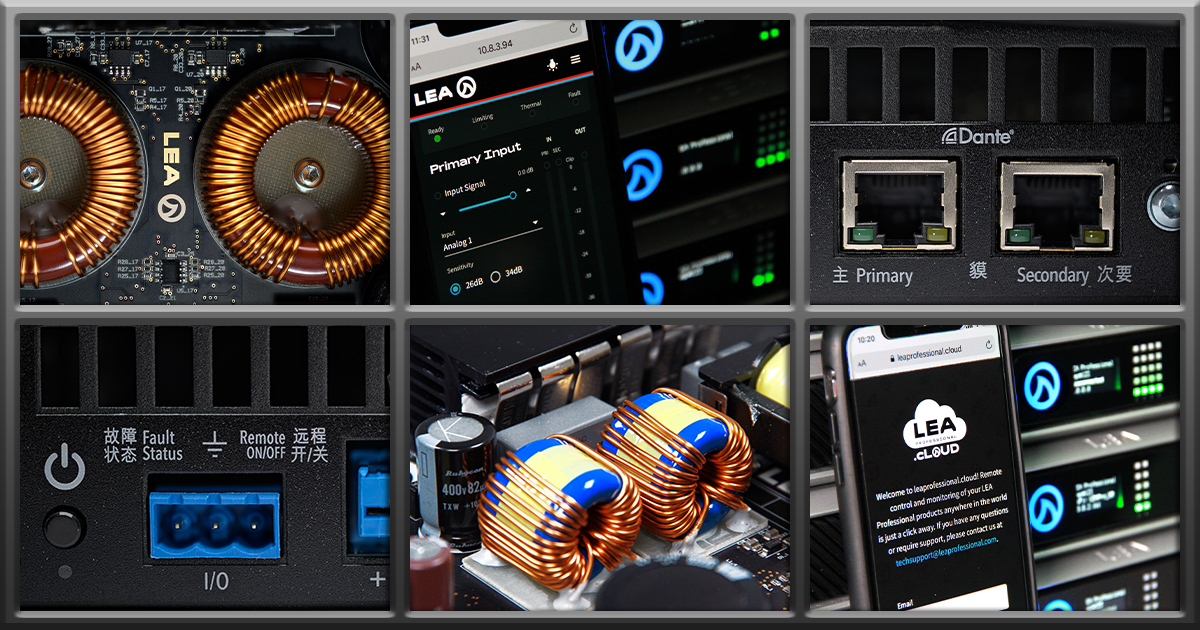
As a working system integrator in today’s professional audio industry, there are several tools and technologies available to help make every installation easier. And since no installation is the same, the best tools and technologies are the ones that provide flexible solutions.
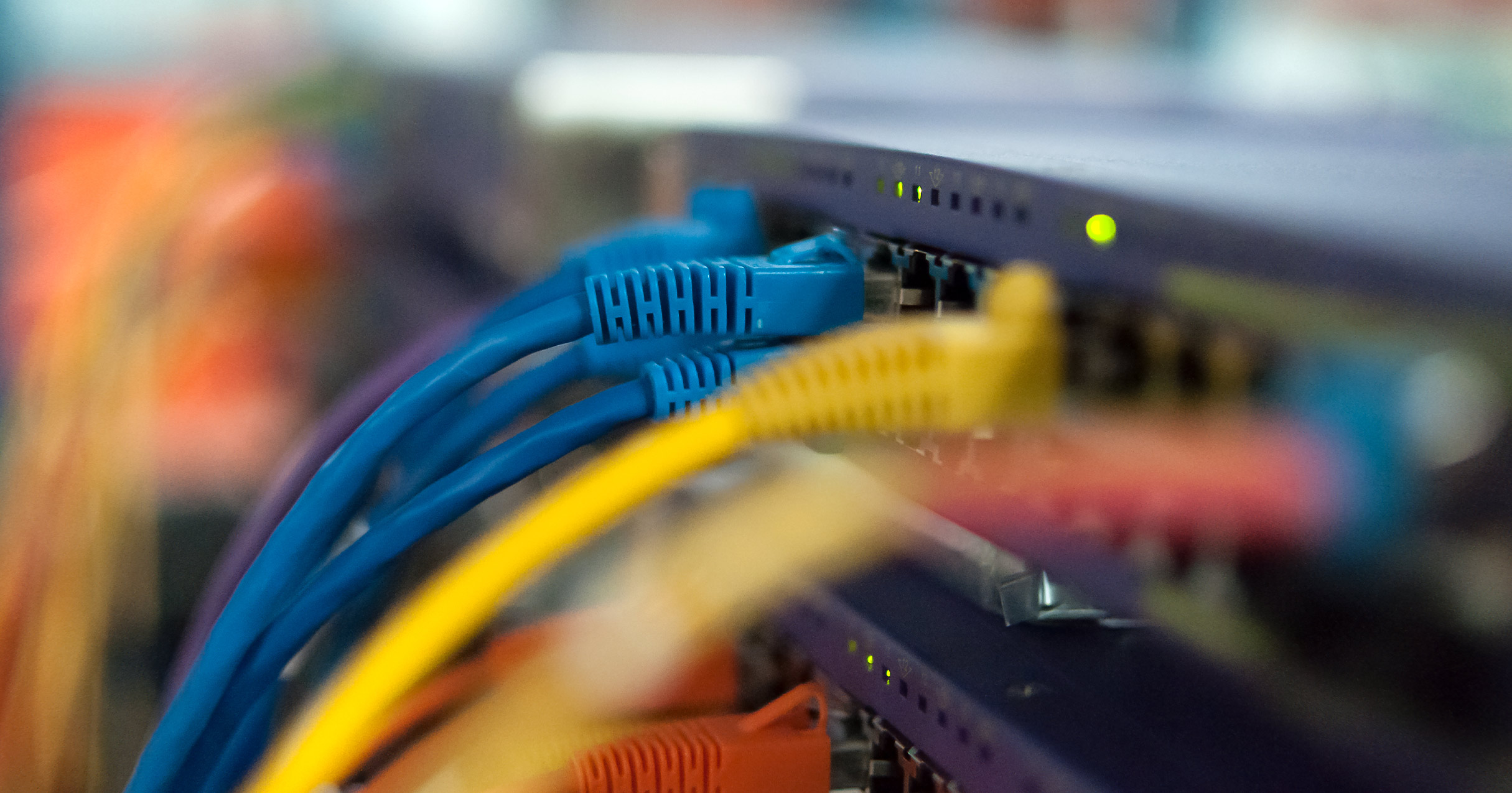
There are three simple ways to combine Dante and Control on the same audio network. First, using Dante in Switched or Redundant Mode....
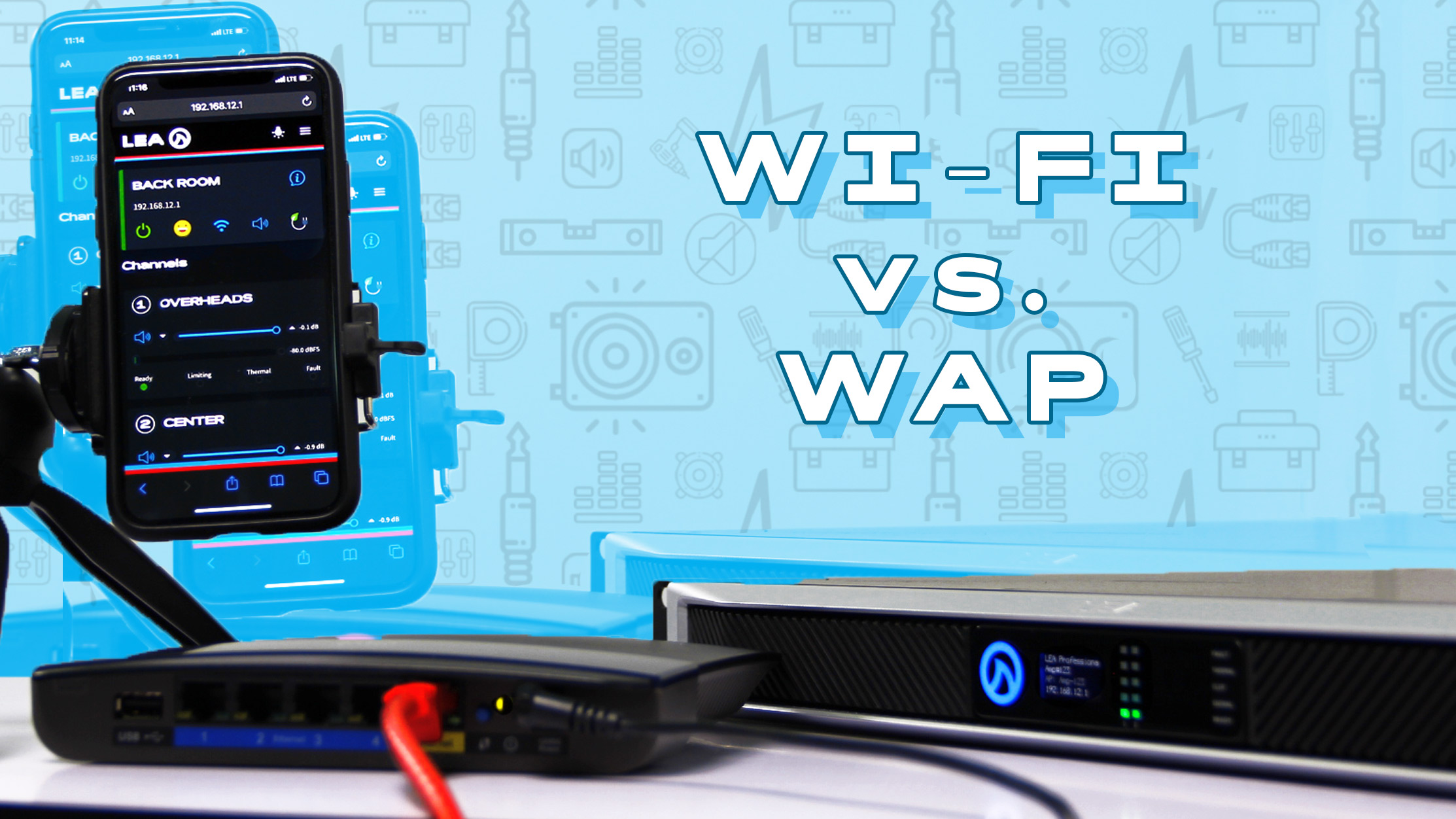
Wi-Fi and WAP amplifier connection provide pro audio integrators additional flexibility when connecting amplifiers to a network.

The Connect Series amplifiers offer Low-Z, Hi-Z 70V, and Hi-Z 100V operation individually selectable per channel. This comes in very handy in a wide variety of applications as it allows for the most flexibility in powering speaker systems with fewer amplifier models needed.